 Charleston’s mental health landscape is transforming. Where traditional talk therapy once dominated, a new wave of holistic, trauma-informed treatment centers now offers women comprehensive care that addresses mind, body and spirit. From specialized trauma therapy to immersive residential programs, the Lowcountry provides more options than ever for women seeking mental wellness support.
TREATING THE WHOLE PERSON
“I grew up in a family system deeply impacted by trauma and addiction,” says Andrea Meier, owner of Andrea Meier Holistic Wellness in Mount Pleasant. “From a young age, I felt called to help others navigate similar struggles. My approach is grounded in the belief that people heal best when the whole person—mind, body and spirit—is supported.”
In just two years since opening in 2023, Meier’s model supports 195 clients with needs that include nervous system regulation, building healthy secure connections with themselves and others, and healing from trauma and family-of-origin patterns.
“We integrate specialized approaches—such as internal family systems, eye movement desensitization and reprocessing therapy and somatic therapies—to create a tailored treatment plan for each individual,” Meier says. “By regulating the nervous system and supporting the whole person, clients experience deeper, more sustainable healing than traditional talk therapy alone often provides.”
HOLISTIC PSYCHOTHERAPY COMES TO CHARLESTON
This positive, whole-person methodology led psychotherapist Kelsey Schwab of Chicago to expand The Intuitive Counseling Group into Charleston in 2024. Headed by Drs. Leigh Rzepecki and Jennie Ozan, Schwab and her TICG team saw approximately 5,500 client sessions in 2025 alone.
“Our practice works with adults and teenagers—we sometimes see clients as young as 12 with eating disorders,” Dr. Ozan says. “Psychotherapy is a holistic approach that our entire team has dedicated their professional lives to.”
Like Meier, Dr. Rzepecki emphasizes that she and her colleagues treat the whole person, not just an acute symptom. “For example, if you have a physician fix a broken bone that occurred from domestic violence, what is emotionally going on that makes you stay in an abusive and toxic relationship that results in the broken bone?” Rzepecki says. “Is it trauma? Depression? Anxiety? Economic? In order to truly help, touching on all of these areas is critical. In the first session with a client, our psychotherapists ask a long range of questions to understand the whole picture of this individual’s story.”
HEALING IN NATURE
Sometimes an individual’s story needs isolated peer group interaction in an immersive environment, such as the setting provided by Hammocks on the Edisto.
Located 32 miles west of Charleston in a privately owned residential facility in Jacksonboro, Hammocks on the Edisto began serving women exclusively in 2019 for holistic treatment and recovery from substance use disorder, underlying trauma and co-occurring mental health disorders.
“We treat about 15 women in a month, or about 170 to 180 per year, with a 30-day length of stay on average, but this is often adjusted to accommodate individual needs,” says Melanie Knight, director of marketing and business development. “Substance use disorders and mental health are a lifelong endeavor and we specialize in the early stabilization of women.”
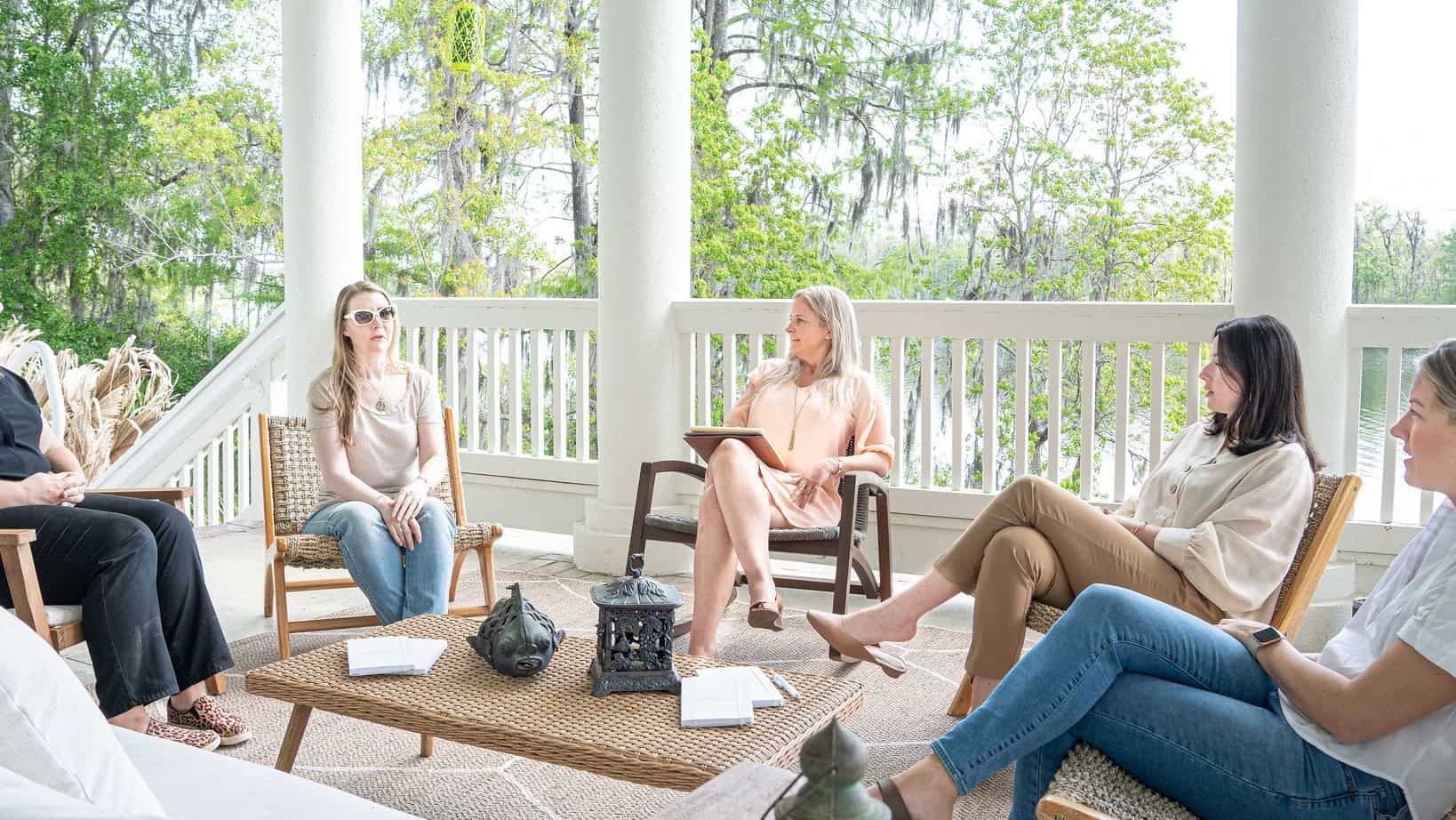
While therapies include yoga, reiki, horticulture and evidence-based approaches, a signature element of each method is Hammocks’ natural setting. Surrounding woods, a walking pier along the Edisto River, a plantation-style porch for group interaction and counseling and scenic views at every turn mean Mother Nature herself supports the healing process.
“After their time with us, we coordinate further care when necessary at reputable programs across the state and the U.S. for extended care for one to six months after their discharge,” Knight says.
THE SHIFT TOWARD HOLISTIC CARE
The expansion of these holistic, trauma-informed options represents a significant shift in how mental health care is approached in Charleston and beyond. Conversations around mental health become more open and therapy is increasingly viewed as an essential part of overall wellness rather than a last resort.
“Clients are seeking approaches that combine science with mind-body awareness and clinicians are more willing to incorporate modalities that support emotional, physical and spiritual well-being,” Meier says. “The old one-size-fits-all model has been replaced with individual treatment plans.”
For Charleston women navigating anxiety, stress, depression, trauma, eating disorders or substance use, the message is clear: comprehensive, compassionate care that treats the whole person is not only available—it’s becoming the new standard.
By L.C. Leach II